
























Key Takeaways
- Compare bear watching Alaska trips by actual on-site viewing time, not total tour length. A shorter boat-based day often gives more bear viewing than a longer route with long hikes, waits, and fixed access points.
- Focus on water-heavy areas during the Alaska salmon run bear watching season. Shorelines, creek mouths, and tidal edges usually produce more active feeding behavior than deep inland routes.
- Ask how Alaska bear tours handle group size, landing limits, and sudden bear movement. Small-group boat access usually gives serious wildlife watchers more space and a calmer, more controlled experience.
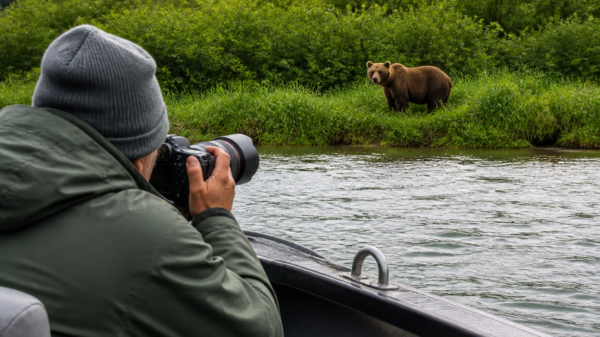
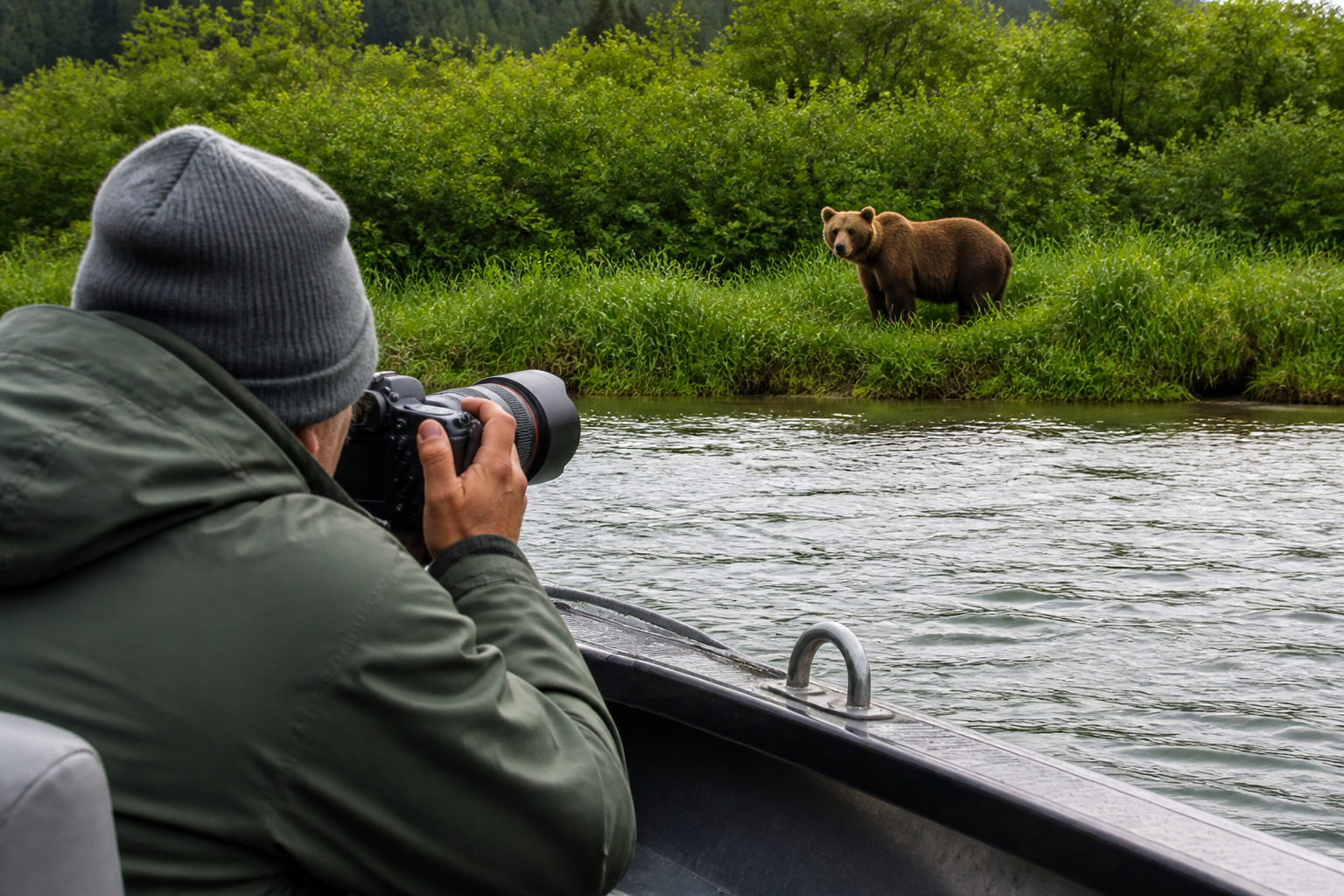
- Pick Alaska bear viewing by boat if photography matters. Quiet repositioning, changing angles, and better sightlines can beat trail-only viewing where everyone is stuck in one spot.
- Weigh the trade-offs honestly. Boat trips can lose time to wind or swell, but long overland bear routes often lose just as much time to walking, crowd backups, and wildlife safety holds.
- Check safety rules before booking best bear watching Alaska options. If a trip depends on close foot travel, packed trails, or rigid platform timing, it may cut into both safety margins and viewing quality.
Three hours on bears beats three hours getting to bears. That’s the hard truth more serious wildlife watchers have started to accept, especially as access rules tighten and the busiest inland routes eat up precious field time. Bear watching Alaska still sells the dream of close, wild encounters, but the best days usually aren’t the ones with the longest hike, the loudest floatplane hub, or the most famous boardwalk. They’re the days spent near moving water—where salmon stack up, bears settle into repeatable patterns, and guides can shift position fast without pushing the animals.
For photographers, that matters. For anyone comparing viewing time, crowd levels, — safety, it matters even more. A boat-based trip can put watchers on productive shorelines sooner, hold them at cleaner angles, and back off just as quickly if a bear changes direction (which happens, and usually fast). The honest answer is that overland access still has its place. But if the goal is longer natural viewing, fewer bottlenecks, and a better shot at seeing brown and black bears behaving like bears—not reacting to a line of people—water access often wins.
Bear watching alaska right now: why travelers are shifting toward boat-based viewing
At 6:40 a.m., one group is already on the water while another is still walking a long access trail, burning 45 minutes before the first salmon pool even comes into view. That gap matters. For people planning Bear watching Alaska, the move toward boat-based viewing isn’t hype—it comes from simple math: less transit on foot, more time actually watching brown and black bears work a shoreline.
How tighter wildlife rules and crowd pressure changed what serious viewers look for
Rules got stricter for good reason. Managed bear sites now limit spacing, food handling, and trail movement (smart call), and crowd pressure at famous names like Katmai, Brooks Falls, and Lake Clark has pushed serious viewers to ask harder questions. Not where the map says to go. Where they’ll actually stand still long enough to watch behavior.
- Less bunching: smaller drop-offs beat packed boardwalk timing
- Better safety: fewer rushed trail crossings lowers bad human-bear moments
- More field time: that’s what photographers are really buying
Why boat access gives more actual viewing time than long trail approaches
Boat access works better—plainly—because it cuts dead time. In practice, viewers often trade a 60- to 90-minute approach for a direct shoreline run, then spend that saved hour shooting grizzly bears, scanning for cubs, or waiting through one quiet patch before the next fish hit. That’s a better trip. And a calmer one.
What photographers and wildlife watchers mean by a more natural encounter
Natural doesn’t mean closer at any cost. It means bears feeding, swimming, sorting salmon, and ignoring people because the setup stays quiet and predictable—not a line of boots pushing inland scent through brush. That’s why one operator, Muddy Water Adventures, points viewers toward boat-based viewing where the encounter feels less staged and more honest.
Best bear watching alaska conditions often happen near water, not deep inland
Water is where the real bear traffic stacks up. For serious Bear watching Alaska planning, shorelines, creek mouths, and tidal flats usually beat long inland hauls because food funnels there—and bears follow food with boring consistency.
Alaska salmon run bear watching puts the action on shorelines, creek mouths, and tidal edges
During the salmon run, the strongest viewing windows often line up with places where fish bunch tightly. That’s why bear watching alaska gets better near moving water: bears can fish, rest, and shift spots within a few hundred yards instead of burning energy deep in the brush.
- Creek mouths: fish stack up on tide changes
- Tidal edges: bears patrol for dead or stunned salmon
- Open shorelines: watchers get longer sightlines for behavior and spacing
An Alaska bear watching tour by boat often reaches those feeding zones with less noise, less foot traffic, — better odds of seeing natural movement instead of bears reacting to people.
Brown, black, and grizzly behavior looks different from a boat-based angle
From offshore, watchers can read more than size. Brown bears often hold the prime fishing lanes, black bears hang back at the edges (especially near timber), — younger bears drift in and out fast—one minute feeding, next minute pushed off. That wider angle matters.
Why close doesn’t always mean better if the bears know people are coming
Closer isn’t the same as wilder. If bears hear boots, voices, or a trail line they’ve learned to track, behavior changes—heads come up, fishing pauses, routes tighten. A boat-based setup can keep people present — less intrusive (if the operator holds distance well), which is exactly what wildlife photographers want: calm bears, clean sightlines, and fewer human tells in the frame.
Alaska bear tours by boat: where the experience beats overland travel for viewing time and safety
Want more time actually watching bears instead of burning hours on rough transfers and long trail approaches? For serious Bear watching Alaska plans, boat-based trips often win on two points that matter most—viewing time and controlled access near active salmon water, where brown, black, and grizzly bears tend to feed with less human churn.
Alaska bear viewing by boat and the advantage of quiet repositioning
Quiet movement changes the whole trip.
A captain can shift 200 yards—or hold off if a sow with cubs blocks the line—without pushing a group down a narrow trail, and that lowers stress for both people and bears (which matters more than most visitors think).
- More viewing minutes: fewer stop-and-go bottlenecks
- Safer spacing: distance stays adjustable
- Better photo angles: light, wind, and background can change fast
Some of the best Alaska bear watching trips work this way—water access first, then a managed viewing setup that keeps the day focused on bears, not hiking miles.
Lake clark bear viewing by boat compared with long beach or trail approaches
Lake clark bear viewing by boat usually gives watchers a cleaner trade: less foot travel, faster repositioning, and fewer moments where one slow group stalls everyone else. Overland access can still be strong, but once a beach route gets crowded—or weather shifts—the clock starts working against the trip.
Bear viewing homer alaska by boat and other coastal-style trips serious watchers compare
But here’s the thing. People comparing bear viewing homer alaska by boat, katmai tours from anchorage, or a day trip to Brooks Falls usually ask the wrong first question. They ask where. The better question is how much of the day is spent in front of bears, with safe sightlines and room to adjust if one bear turns, charges, or simply walks off.
The honest trade-offs in bear watching alaska: boat trips aren’t perfect, but overland routes miss more than people think
Roughly two to three hours of a typical day can disappear before a single frame gets shot—either in transit, on foot, or waiting for access—and that’s why Bear watching Alaska plans need a hard look at lost viewing time, not just distance on a map.
Wind, swell, and landing limits can cut into a boat day
Boat access has weak spots. Wind can push spray across the deck, swell can slow the run, and some landings get called off if the beach or dock isn’t safe. That’s real. But in practice, a controlled boat approach still keeps guests closer to active salmon water than a long inland push—and that usually means better odds for brown bears, black bears, and cleaner viewing lines for photos.
One strong example is Anan bear observatory tours from Wrangell, where the ride is part of the access plan rather than dead time on a road or trail.
Long hikes, fixed platforms, and packed access points cut into bear viewing too
Overland routes sound simple. They rarely are. A fixed platform can bottleneck fast, and a 45-minute hike each way—plus check-in, plus waiting—starts eating the day before bears even show. For serious bear watching alaska, that matters.
- Common time drains: trail delays
- platform crowding
- strict shuttle windows
Why the 3 bear rule matters more on foot than it does during controlled boat access
The three-bear rule is blunt: if three bears are using a trail or bank, people stop moving through. On foot, that can freeze a trip cold—especially in national park style access zones where grizzly traffic stacks up near falls or lake edges. From a boat, guides can hold distance, reposition, and wait without putting people inside that same pressure point (which is the whole issue).
How to choose the best bear watching alaska trip if your goal is time, space, and better images
The usual advice gets this backward. In Bear watching Alaska, the longest trip on paper often gives less real viewing, tighter crowding, and worse shooting angles than a shorter boat-based run that puts people where brown and black bears are feeding for two to three solid hours.
Pick trips by on-site viewing minutes, not by trip length on paper
Start with one number: actual bear-viewing time.
A six-hour tour can burn half its day in transfers, check-ins, — waits, while a five-hour boat trip may give close to 180 minutes on site—enough for salmon run behavior, sparring, and quiet feeding sequences. For season planning, Anan bear watching tour timing is a smart benchmark because timing shifts image quality more than brochure length does.
Ask about group splits, landing rules, and how guides handle sudden bear movement
Space matters. So do rules.
- Group splits: If 18 guests arrive but only 10 to 12 can move at once, somebody waits.
- Landing rules: Some sites limit where a boat can unload, which changes walking time and crowd flow.
- Guide response: Ask how guides react if a grizzly cuts across the trail or holds near the viewing area (that answer tells a lot).
Why press on this?
Because the best bear watching alaska trips protect both people — the bears—and they don’t improvise under pressure.
For alaska bear photography tours, boat stability and angle changes often beat trail-only access
Photographers usually learn this fast. Boat stability matters, but so does repositioning—small angle changes can clean up a background, shift glare off water, or turn a flat side profile into a stronger frame. In practice, alaska bear photography tours that mix controlled boat viewing with short managed walks often beat trail-only access for natural behavior, cleaner sightlines, and less jostling at the rail.
For more, check out How Tiffany Taylor’s Near-Death Experience Redirected Her to Purpose.