





















In the neon lit, high stakes world of African music, there is a phrase that has fueled a thousand careers and ruined just as many: “Keep pushing.” It’s the ultimate industry mantra,a call to hustle, to grind, and to hope for a viral miracle.
But Hope Odabi, the strategist behind The Dabigal Media House (DGM), is tired of “hope” being a business strategy.
“Talent is the entry fee, but it isn’t the business plan,” Odabi tells HustleWeekly. “We have the best creatives in the world, but we’ve been trying to build skyscrapers on sand. My mission is to give them the concrete.”
The Question That Started a Movement
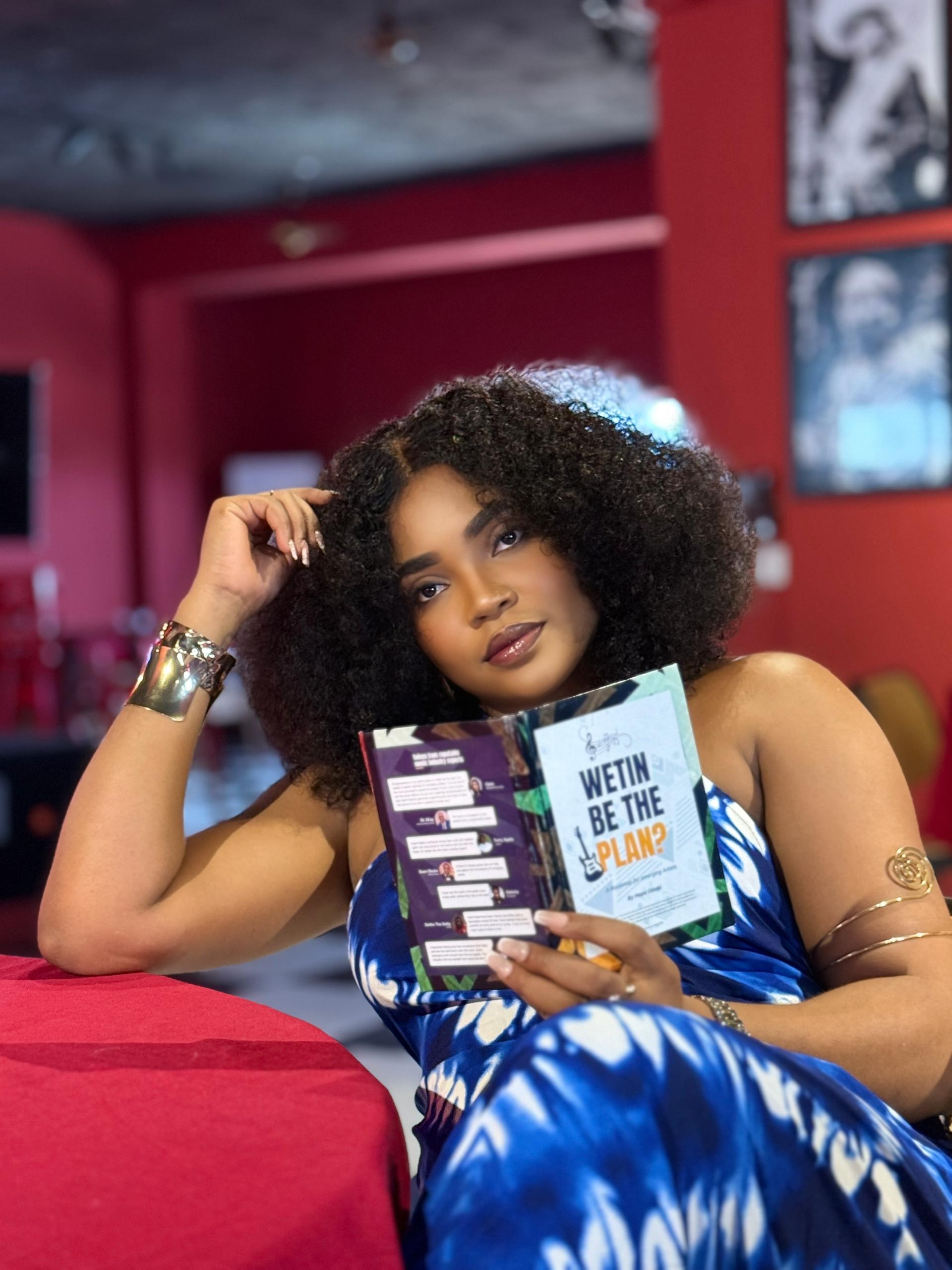
The “concrete” Odabi refers to is her latest disruption: the book “Wetin Be The Plan? A Roadmap for Emerging Artists.” The title itself is a cheeky nod to the Pidgin English interrogation every artist faces when the hype dies down and the bills remain. It’s not just a book; it’s a systemic intervention.
Since its launch, the book has become a manifesto for the “Clarity Generation.” By breaking down branding, release cycles, and digital visibility into modular systems, Odabi has moved from being a publicist to an architect. She isn’t just getting artists onto playlists; she’s teaching them how to build the engines that keep them there.
From PR Strategist to Systems Architect
Odabi’s ascent hasn’t been about chasing red carpets. It’s been about the “digital plumbing” of the creative economy. Through The Clarity Network, her workshop and mentorship initiative, she has begun institutionalizing growth.
Her work with DGM Media focuses on a “System First” approach:
* The Audit: Stripping away the “vibes” to look at data and positioning.
* The Architecture: Building the digital infrastructure (funnels, brand identity, and tech stacks).
* The Scale: Exporting that identity into global markets like the UK and US.
Building the “Dabigal” Legacy
When you speak to Hope, you don’t hear the fluff of traditional PR. You hear the language of a founder. She talks about “market entry,” “ROI on influence,” and “scalable creative IPs.” She is part of a new guard of African executives who aren’t content with Afrobeats just being a “moment” they want it to be a sustainable, multi billion dollar sector.
As she moves into the global spotlight, her message remains as sharp as her strategy: The “hustle” is over. It’s time for the plan.
“I want to see an African music industry where artists and executives don’t just take the stage, they own the building.”