










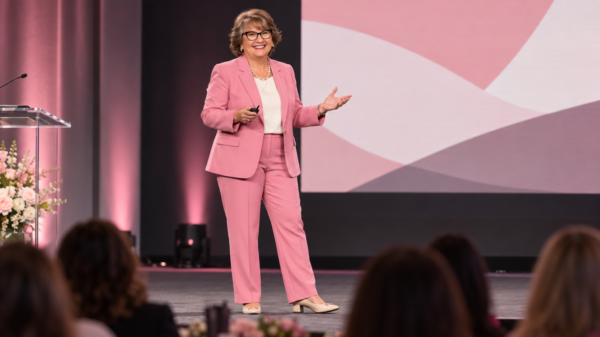















Jessica Stewart teaches home bakers to create businesses that generate income while reconnecting neighbors through locally made food.
Jessica Stewart believes the future of American food culture will not be built by corporations or chain stores. It will be built by neighbors baking bread in home kitchens and selling it at weekend stands, farmers markets, and through local pre-order systems that bring communities together.
Through Micro Bakery School, Stewart has trained thousands of home bakers to launch what she calls micro bakeries, small-scale operations run from home kitchens under cottage food laws. The model creates income for bakers while addressing something harder to measure: the social isolation and disconnection that define modern suburban and rural life.
From Transaction to Relationship
Stewart, who founded Micro Bakery School this year and operates The Little Loaf bakery in Scottsdale, Arizona, describes a pattern she sees repeatedly. A woman sets up a bread stand in her driveway or front yard. Neighbors who have lived on the same street for years but never spoke stop to buy sourdough. Conversations happen. Connections form. The weekly bread pickup becomes a neighborhood ritual.
This dynamic differs fundamentally from buying bread at a supermarket. The transaction involves a person you know, or at least recognize, who baked the product in a kitchen a few blocks away. Customers see the baker’s face, learn their story, and become invested in their success.
The company reports that students frequently sell out their first bake days within weeks of launching. That demand reflects more than product quality. It reflects hunger for local connection and trust in food sources that many Americans have lost entirely.
The Market Infrastructure
Stewart’s business model depends on infrastructure that emerged over the past two decades. Farmers markets in the United States grew from fewer than 2,000 in the 1990s to nearly 9,000 today, according to data cited by Micro Bakery School. That network provides distribution points for home bakers who lack storefronts.
Social media platforms enable neighborhood-level marketing that was impossible before. A baker can announce Saturday morning availability to a local Facebook group or through Nextdoor and generate dozens of pre-orders. The digital tools allow micro-scale businesses to operate efficiently without paid advertising or retail locations.
Cottage food laws now exist in all 50 states, creating legal frameworks for home food businesses. Combined with farmers market growth and social media reach, these elements form an ecosystem that makes micro bakeries viable in ways they were not a decade ago.

Teaching the Model
Micro Bakery School packages Stewart’s experience into a structured online course. The program includes over 40 video lessons covering licensing, menu development, pricing, stand setup, pre-order management, and marketing. Students receive templates for social media posts, pricing calculators, and brand kits designed to speed the launch process.
The curriculum emphasizes community engagement as much as business mechanics. Stewart teaches students how to use local Facebook groups, how to price for their specific neighborhoods, and how to build customer relationships that generate repeat business and referrals.
Later this year, the company introduced Sell Out Secrets, an advanced program for bakers ready to scale. The course includes Stewart’s system for selling out eight consecutive weeks at The Little Loaf, along with tools like pre-made advertising templates and social media calendars.
The Movement Mindset
Stewart frames micro bakeries as part of a broader cultural shift. The global sourdough market is projected to grow from $3.3 billion in 2023 to over $5.3 billion by 2030, according to market research the company cites. That growth reflects consumer movement away from ultra-processed foods toward products perceived as wholesome and artisanal.
Farmers market expansion demonstrates similar trends. People increasingly seek food with known origins, produced by identifiable people, sold through personal interactions. Micro bakeries fit this preference perfectly while creating economic opportunities for home bakers.
Stewart describes her students as part of a growing movement of small, local bakers across the country who are creating meaningful side income, sharing wholesome food, and reconnecting with their communities through baking. The language emphasizes mission over pure profit motive.
The Five-Year Projection
Stewart predicts that micro bakeries will become as common as coffee shops within five years, integrated into the fabric of every community. The company’s stated mission is helping thousands of people reconnect with themselves, their communities, and their creativity through baking.
The vision depends on sustained consumer demand for local food and continued regulatory support for cottage food businesses. Both trends appear strong currently, though economic conditions and local regulations can shift.
If the projection holds, the impact extends beyond business metrics. Thousands of new micro bakeries would mean thousands of new neighborhood gathering points, local food sources, and small-scale entrepreneurs contributing to community vitality.
Measuring Impact Beyond Revenue
Micro Bakery School tracks business outcomes like sellout rates and student launches. The harder impact to measure involves community connection. How many neighbors met for the first time at a bread stand? How many families now know where their weekend pastries come from? How many bakers found purpose and income simultaneously?
Stewart positions the work as addressing both economic need and social isolation. Women gain flexible income streams that fit around family obligations. Communities gain local food sources and gathering points. The model creates value on multiple levels that traditional business metrics miss.
Bottom Line
Jessica Stewart built Micro Bakery School on the premise that home bakeries can generate income while rebuilding community connections. By teaching thousands of women to launch legal micro bakeries from their home kitchens, she created an education business that serves both economic and social goals. The success depends on continued consumer demand for local food and the human connections that come with buying bread from a neighbor rather than a corporation.

microbakeryschool.com/register