























In an era of increasingly complex medical science and a globalized patient population, a profound shift is underway in how individuals manage their health. The pursuit of a medical second opinion, once a niche practice reserved for critical cases, has exploded into a mainstream healthcare imperative. Fueled by a confluence of technological advancement, growing patient empowerment, and the inherent limitations of time-pressed primary care systems, the Medical Second Opinion (MSO) market is now a dynamic and rapidly expanding sector, attracting significant investment and a roster of influential players.
The numbers tell a compelling story. The Medical Second Opinion Market was valued at USD 7.26 billion in 2024 and is expected to reach USD 22.69 billion by 2032, growing at a CAGR of 15.3% from 2025-2032. This staggering growth trajectory underscores a fundamental change: patients are no longer passive recipients of care but active architects of their own health journeys.
The Catalysts of Growth: Why Second Opinions are No Longer Optional
Several powerful forces are propelling this market forward. Foremost is the rising global burden of complex chronic and life-altering diseases, particularly cancer, neurological disorders, and rare conditions. An initial diagnosis for such ailments can be overwhelming, and the treatment paths are often varied and high-stakes. Patients and their families are increasingly seeking confirmation and exploring all potential avenues before committing to a specific, and often invasive, treatment plan.
“In oncology, for instance, a second opinion can change the treatment course in up to 30% of cases,” explains Dr. Anya Sharma, a healthcare analyst at a leading research firm. “This isn’t about distrust; it’s about due diligence. New targeted therapies and immunotherapies are emerging constantly, and no single oncologist can be an expert in every single one. A second opinion ensures access to that specialized, up-to-the-minute knowledge.”
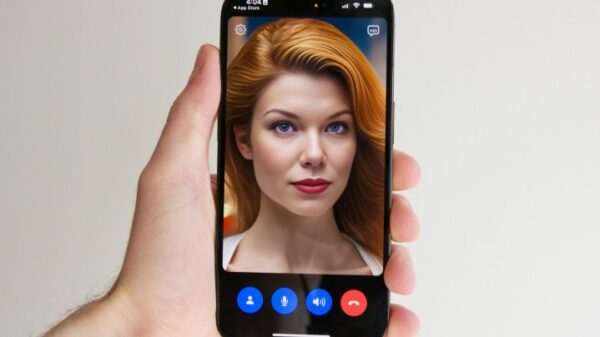
The digital revolution has been the great enabler. The proliferation of telehealth platforms, secure data transmission protocols, and electronic health records (EHRs) has dismantled geographical barriers. A patient in a rural community can now seamlessly share their medical images and reports with a top specialist at a world-renowned medical center thousands of miles away, all without the cost and stress of travel.
Furthermore, the COVID-19 pandemic acted as an unexpected accelerant, forcing both providers and patients to adopt remote consultation technologies. This mass normalization of virtual care has permanently altered patient expectations and paved the way for the seamless integration of second opinion services.
Investment Floodgates Open: Betting on the Future of Proactive Healthcare
The immense growth potential of the MSO market has not gone unnoticed by the investment community. Venture capital firms, private equity giants, and even strategic corporate investors are pouring capital into platforms that demonstrate technological innovation, clinical excellence, and scalable business models.
Investment is flowing into several key areas:
- AI and Machine Learning: Startups are developing sophisticated AI algorithms that can pre-screen medical records, identify crucial diagnostic discrepancies, and even suggest the most relevant specialists for a given case, thereby increasing the efficiency and accuracy of the second opinion process.
- Platform Consolidation: Investors are backing companies that aim to become comprehensive digital health hubs, integrating second opinions with related services like telemedicine, digital pathology, and chronic disease management.
- Global Expansion: There is significant funding for platforms looking to bridge healthcare disparities by connecting patients in emerging economies with specialist centers in North America and Europe.
“We are investing in the concept of ‘precision peace of mind’,” says Michael Thorne, a partner at a healthcare-focused venture fund. “The value proposition is immense. For a relatively small cost, a second opinion can prevent misdiagnosis, avoid unnecessary surgeries, and direct patients towards more effective, often less expensive, treatments. This is a win for patients, payers, and the healthcare system as a whole.”
The Competitive Landscape: A Mix of Titans and Disruptors
The Medical Second Opinion market is a fascinating mosaic of established healthcare giants and agile digital-native disruptors.
The Institutional Powerhouses: Prestigious medical institutions like the Cleveland Clinic, Johns Hopkins Medicine, and Mayo Clinic have long offered second opinion programs. Their brand equity, built on decades of clinical excellence, is their strongest asset. They are now aggressively digitizing these services, offering remote reviews to a global clientele. Partners like SecondOpinions.com and WorldCare International often facilitate these connections, providing the logistical framework for these top-tier institutions to extend their reach.
The Insurance and Employer-Focused Players: Companies like Grand Rounds (now included in Included Health) and Teladoc Health have built robust second opinion services directly into the benefits packages of large employers and health plans. This model positions the second opinion not as an extra cost, but as a cost-containment and employee-retention strategy, preventing expensive, incorrect treatments before they begin.
The Pure-Play Digital Platforms: Agile startups like MediFind and Second.MD are leveraging data and technology to streamline the patient journey. MediFind, for instance, uses its platform to help patients find doctors who are true experts in their specific condition based on clinical research volume and experience.
The Regional and Specialized Challengers: In regions like Asia-Pacific, companies are emerging to cater to local languages and healthcare systems while providing access to global expertise. Similarly, some platforms are focusing exclusively on high-stakes specialties like oncology or orthopedics.
Challenges and the Road Ahead
Despite the optimistic outlook, the market faces hurdles. Data privacy and security remain paramount concerns when sensitive health information is transmitted across digital networks. Ensuring the quality and credentials of the physicians providing opinions is another critical challenge, requiring rigorous verification processes.
Furthermore, reimbursement remains a patchwork. While many insurers in the United States are beginning to cover second opinions, especially for complex surgeries, out-of-pocket payment is still common. Widespread adoption will depend on clearer reimbursement policies from both private and public payers globally.
Looking forward, the integration of artificial intelligence and genomic data into the second opinion process promises to make it even more precise. The MSO market is evolving from a simple confirmation service into a sophisticated, data-driven clinical decision support system.
As patients continue to demand more agency and as medical science grows ever more complex, the medical second opinion is shedding its status as an optional luxury. It is fast becoming a standard, and invaluable, step in the pursuit of accurate diagnosis, effective treatment, and ultimately, better health outcomes for millions around the world. The multi-billion-dollar valuation of this market is not just a financial figure; it is a testament to the growing value of certainty in an uncertain diagnostic landscape.