



























Obstructive sleep apnea is a sleep disorder in which the upper airway becomes blocked repeatedly during sleep. These interruptions can reduce or stop airflow, disrupt sleep, and prevent the body from receiving enough oxygen.
Because the breathing interruptions occur during sleep, a person may not recognize them without information from someone else or the results of a sleep study. Loud snoring, gasping, witnessed pauses in breathing, morning headaches, and excessive daytime sleepiness can indicate that an evaluation should be considered.
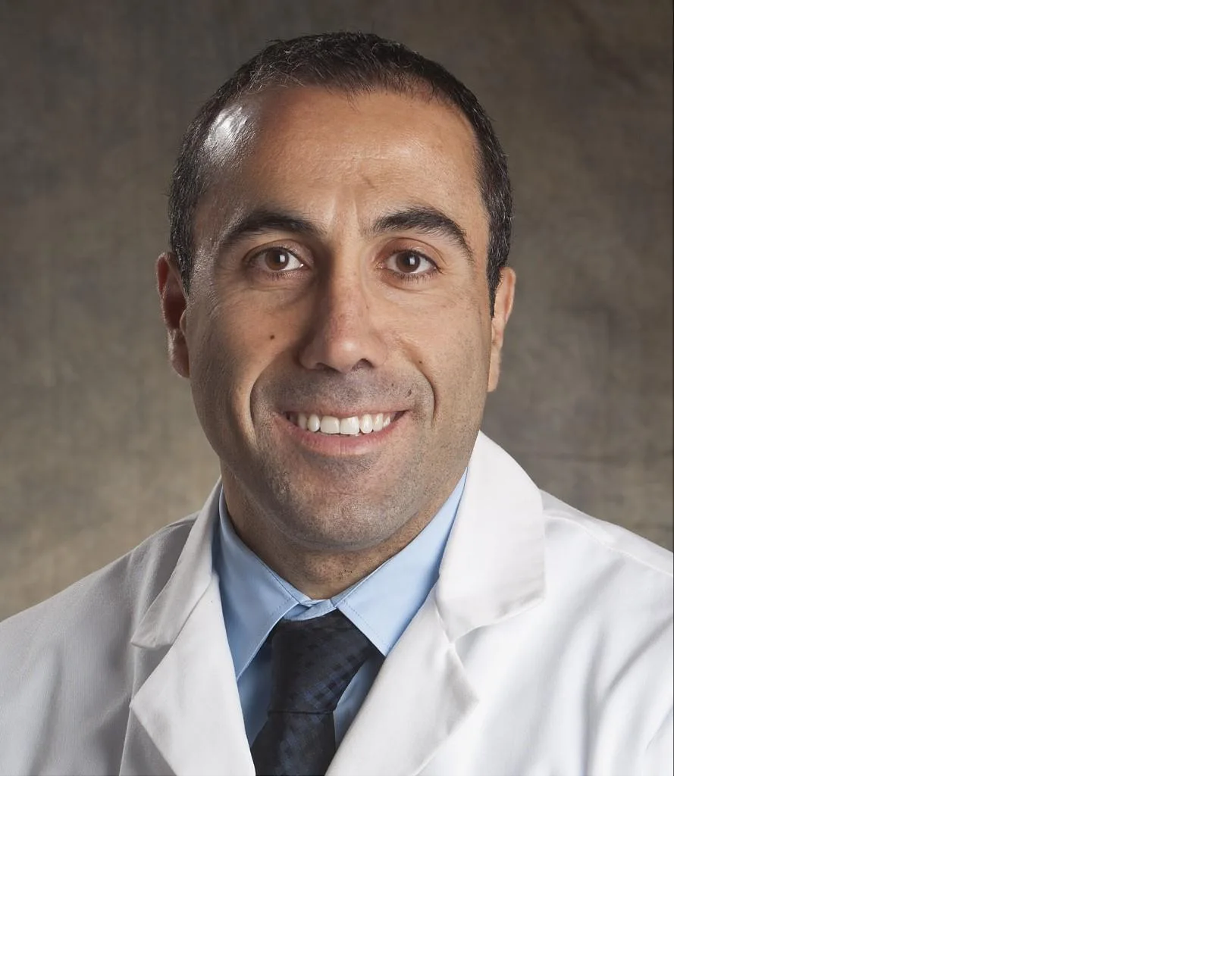
Dr. Michel Alkhalil serves as Medical Director of AAIRS Clinic and Troy Sleep Center. Through Michel Alkhalil MD and Troy Sleep Center, patients in Oakland and Macomb counties have access to AASM-accredited sleep services supported by related expertise in allergy and pulmonology.
Recognizing Possible Sleep Apnea Symptoms
Obstructive sleep apnea can affect nighttime breathing without fully waking the person experiencing it. Some patients first become aware of a possible problem after a family member or bed partner notices loud snoring, gasping, or pauses in breathing.
Other signs may become more apparent during the day. Persistent sleepiness, difficulty concentrating, morning headaches, and waking without feeling rested can be associated with disrupted sleep.
These symptoms do not confirm sleep apnea on their own. Snoring can occur without apnea, and daytime fatigue can have many possible causes. A clinical evaluation helps determine whether sleep-disordered breathing or another condition may be contributing.
Early evaluation is an important part of the patient-care philosophy at Troy Sleep Center. Untreated sleep apnea can affect sleep quality and daily functioning and is associated with broader health risks.
Risk Factors and Related Conditions
Obstructive sleep apnea can be influenced by multiple factors. Body weight, upper-airway anatomy, enlarged tonsils, age, family history, sleep position, and other health considerations may affect an individual’s risk.
Nasal congestion and allergic symptoms can also interfere with comfortable nighttime breathing. Their presence does not establish the cause of sleep apnea, but they may warrant consideration during an evaluation.
The dual-specialty framework of Michel Alkhalil is relevant when sleep symptoms occur alongside allergy or respiratory concerns. His board certifications in Sleep Medicine and Allergy & Immunology support assessment across both clinical areas.
This broader perspective allows related symptoms to be considered together while keeping the diagnosis grounded in appropriate sleep evaluation and testing.
The Diagnostic Process
A sleep apnea evaluation generally begins with a review of symptoms, sleep patterns, medical history, and possible risk factors. The physician may also consider information about snoring, gasping, breathing interruptions, and daytime functioning.
A physical examination may focus on the mouth, neck, throat, and other features that could affect the airway. Based on the findings, the physician can determine whether a diagnostic sleep study is appropriate.
Sleep apnea testing may take place in a sleep laboratory or through a home sleep apnea test for selected patients. The appropriate method depends on the individual’s symptoms, health history, and clinical circumstances.
Sleep apnea evaluation at Troy Sleep Center takes place within an AASM-accredited setting. The accreditation reflects adherence to recognized standards for sleep disorder diagnosis, treatment, and patient care.
Understanding Sleep Study Results
A sleep study records information about breathing and other physiological activity during sleep. The resulting data can help identify breathing interruptions and determine whether obstructive sleep apnea is present.
When sleep apnea is diagnosed, the findings help the physician assess its severity. The interpretation of results also considers the patient’s symptoms, medical background, and any conditions that may affect treatment planning.
Testing is one part of the evaluation rather than a treatment decision by itself. The clinical team uses the findings to determine which options may be appropriate for the individual patient.
Dr. Alkhalil’s sleep medicine training included both pediatric and adult populations. His fellowship experience involved Drexel University College of Medicine, Hahnemann University Hospital, and St. Christopher’s Hospital for Children.
Treatment Options for Obstructive Sleep Apnea
Treatment depends on the severity of the condition, the patient’s health, and other individual factors. No single option is appropriate for every person diagnosed with sleep apnea.
Positive airway pressure therapy is a common treatment for obstructive sleep apnea. CPAP equipment delivers pressurized air through a mask to help keep the airway open during sleep.
Some patients may require time and support to adjust to the equipment. Mask fit, comfort, and consistent use can affect how well a patient adapts to prescribed therapy.
Oral appliance therapy may be considered for selected patients. Lifestyle changes, positional approaches, or further evaluation of anatomical and respiratory factors may also form part of an individualized treatment plan.
The multi-specialty structure of AAIRS Clinic and Troy Sleep Center supports coordination when allergy, pulmonology, or airway concerns are relevant. Treatment recommendations remain based on the diagnosis and the patient’s specific clinical circumstances.
The Role of Follow-Up Care
Sleep apnea care continues after the initial diagnosis and treatment recommendation. Follow-up provides an opportunity to assess treatment use, comfort, symptom changes, and any difficulties the patient may be experiencing.
Patients using positive airway pressure therapy may need adjustments involving equipment or settings. Those using another treatment approach may also require reassessment to determine whether the plan remains appropriate.
Changes in health, weight, allergy symptoms, respiratory function, or sleep patterns can provide reasons to revisit the treatment plan. Continued evaluation helps the clinical team respond to those changes.
The clinical leadership of Dr Michel Alkhalil connects sleep medicine with allergy and immunology expertise when a patient’s symptoms involve more than one specialty area. His role as Medical Director supports a coordinated model of evaluation, treatment planning, and follow-up.
AASM-Accredited Sleep Care
Troy Sleep Center’s AASM accreditation reflects adherence to standards established for sleep facilities. The designation applies to the facility and is separate from an individual physician’s board certifications.
Dr. Michel Alkhalil’s dual board certification provides another form of professional verification. His certifications in Sleep Medicine and Allergy & Immunology reflect competency across two related but distinct specialties.
The practice also provides pulmonology services, creating a multi-specialty setting for patients whose sleep concerns may overlap with respiratory or airway conditions.
Together, accreditation, board certification, and coordinated specialty services provide patients with concrete information about the clinical structure supporting their care.
Serving Oakland and Macomb Counties
AAIRS Clinic and Troy Sleep Center serve patients across Oakland and Macomb counties. The practice provides regional access to sleep, allergy, and pulmonology services within one clinical organization.
Dr. Alkhalil’s connection to the local healthcare system began with his residency at St. Joseph Mercy Oakland Hospital. He later completed sleep medicine fellowship training and an Allergy & Immunology fellowship at the University of South Florida.
His clinical work has received multiple Top Doc recognitions, including recognition through Hour Detroit. These honors remain distinct from AASM accreditation and board certification but provide an additional form of recognition within Michigan’s medical community.
For patients seeking an evaluation, physician credentials, facility accreditation, available services, and access to follow-up care are all relevant factors to consider.
About Dr. Michel Alkhalil
Dr. Michel Alkhalil is a dual board-certified physician in Sleep Medicine and Allergy & Immunology. He serves as Medical Director of AAIRS Clinic and Troy Sleep Center, an AASM-accredited multi-specialty practice serving Oakland and Macomb counties. His training includes residency at St. Joseph Mercy Oakland Hospital, sleep medicine fellowship experience at Drexel University College of Medicine, Hahnemann University Hospital, and St. Christopher’s Hospital for Children, and an Allergy & Immunology fellowship at the University of South Florida. Further information is available through the professional profile of Michel Alkhalil MD.