


























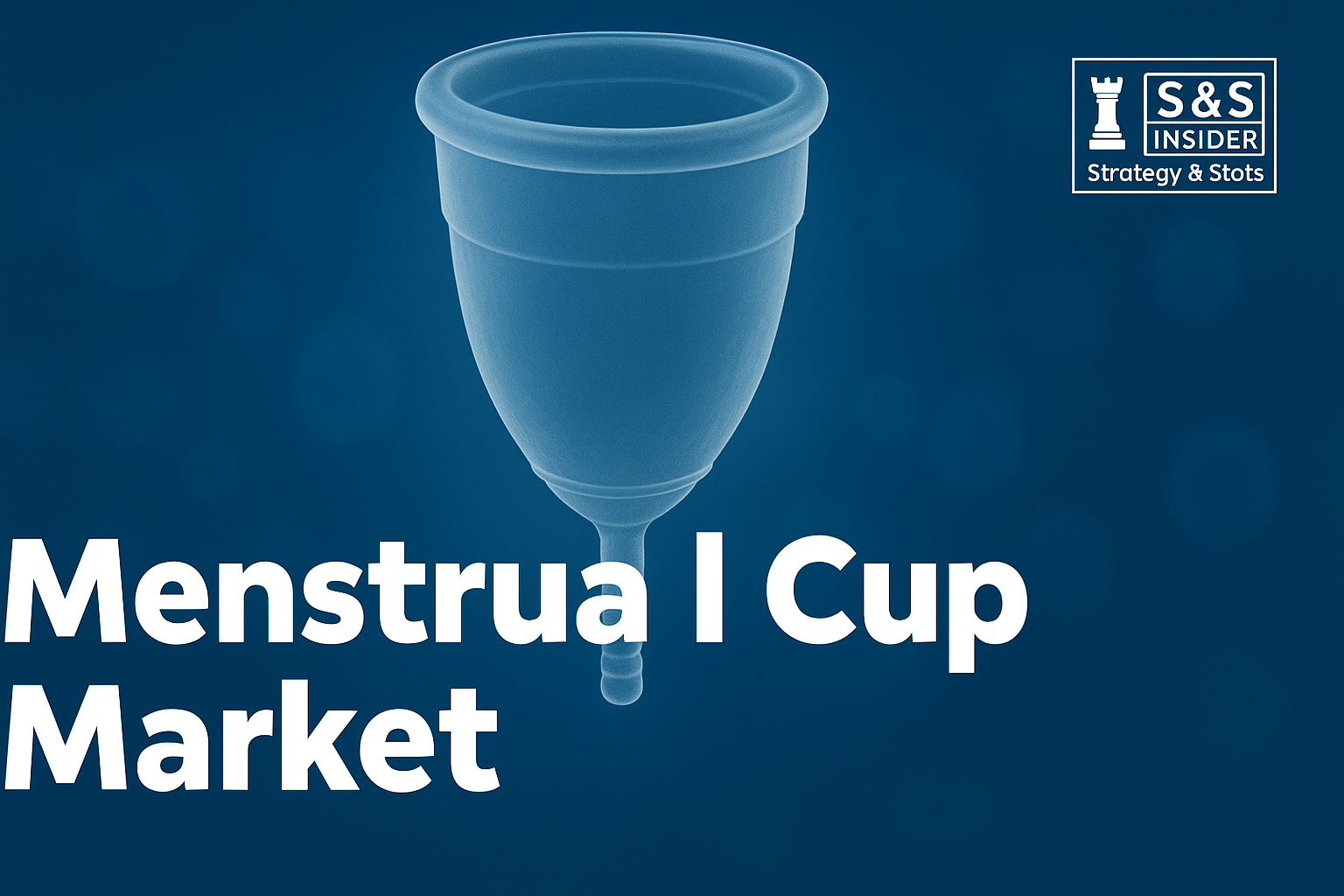
In the hushed aisles of pharmacies and the dynamic scroll of e-commerce, a quiet revolution is reshaping the landscape of feminine hygiene. The menstrual cup, once a niche product championed by environmentalists and early adopters, is now firmly in the mainstream, capturing the attention of consumers, healthcare professionals, and crucially, the global investment community. What was once a conversation about sustainability has evolved into a compelling narrative of market disruption, technological innovation, and significant financial growth, positioning the menstrual cup industry as one of the most promising sectors in the broader health and wellness space.
The numbers speak volumes. According to SNS Insider, The Menstrual Cup Market is expected to reach USD 1564.98 million by 2032, growing at a CAGR of 6.47% from 2025-2032. This robust growth trajectory is not happening in a vacuum. It is the direct result of a powerful convergence of factors: a profound shift in consumer consciousness, groundbreaking product advancements, and a strategic influx of capital from investors who see long-term value in sustainable health solutions.
From Counter-Culture to Core Category: The Drivers of Demand
The initial driver for the menstrual cup’s popularity was undeniably environmental. With growing awareness of the plastic pollution crisis—a single user is estimated to discard between 125 to 150 kilograms of tampons, pads, and applicators in their lifetime—the reusable, medical-grade silicone or rubber cup presents a powerful alternative. A single cup can last for up to a decade, drastically reducing the environmental footprint of menstruation. This powerful eco-message has resonated deeply with a generation of consumers who prioritize sustainability in their purchasing decisions.
However, the market’s expansion has been fueled by more than just green credentials. Economic pragmatism plays a significant role. While the upfront cost of a menstrual cup is higher than a pack of pads or tampons, the long-term savings are substantial. Over its lifespan, a cup can save a user hundreds, even thousands, of dollars, a compelling value proposition in an era of economic uncertainty.
Furthermore, a powerful wave of health and wellness awareness is breaking down decades of stigma. Women are increasingly seeking out products that are free from dyes, fragrances, and chemicals often found in disposable alternatives. The narrative is shifting from one of discretion and odor-control to one of body awareness, health, and empowerment. Social media influencers, wellness bloggers, and even mainstream healthcare providers are now openly discussing and recommending menstrual cups, normalizing their use and educating a broader audience.
Innovation and Acquisition: The Top Players Forge a Competitive Frontier
The market’s vitality is most evident in the strategic moves of its key players. The landscape is a mix of pioneering specialists and agile new entrants, all vying for a share of this burgeoning market.
- Diva International Inc.: A true pioneer, DivaCup has maintained its leadership position through consistent branding, widespread retail distribution, and continuous product refinement, including the introduction of different sizes and firmness levels to cater to a wider demographic, from teens to postpartum women.
- The Flex Company: While known for its innovative disposable menstrual disc, Flex has also made waves with its reusable cup, leveraging a direct-to-consumer, digitally-native model. Their marketing focuses heavily on the benefits of “mess-free” intimacy and physical activity, tapping into unmet needs within the period care space.
- Intimina: This company has positioned itself as a comprehensive brand for intimate health, offering a range of cups alongside other products like kegel exercisers. This holistic approach allows Intimina to build brand loyalty across multiple aspects of women’s wellness.
- Lena Cup: Gaining a strong foothold through platforms like Amazon, Lena has built a reputation for quality, safety, and exceptional customer service, often directly engaging with users to address concerns and provide guidance, fostering a strong community around its product.
The competitive dynamics are intensifying, not just through organic growth but through strategic Mergers and Acquisitions (M&A). Larger consumer health corporations and private equity firms are actively scouting for promising menstrual cup brands to acquire. These acquisitions provide the smaller brands with the capital, manufacturing scale, and distribution networks needed for global expansion, while offering the acquirers a fast-track entry into a high-growth, future-proof market. This trend of consolidation is expected to accelerate, leading to a more streamlined but fiercely competitive marketplace.
The Next Frontier: Smart Technology and Material Science
The innovation pipeline in the menstrual cup sector is far from exhausted. The next wave of growth is poised to come from “smart” cups and advanced material science. Prototypes of cups integrated with micro-sensors to track menstrual flow volume and even analyze biomarkers are already in development. While these products face significant regulatory hurdles, they represent the fusion of femtech and sustainable products, a potential game-changer for both consumers and investors.
Material science is also advancing, with companies exploring new, hypoallergenic polymers and thermoplastics that offer enhanced comfort, flexibility, and durability. The focus is on creating products that are not only safe and effective but also exceptionally user-friendly, thereby lowering the barrier to entry for first-time users.
Challenges and the Road to 2032
Despite the optimistic forecast, the market is not without its challenges. Cultural and religious taboos in certain regions remain a significant barrier to adoption. A lack of awareness and education, coupled with initial hesitation about insertion and removal, can deter potential users. Furthermore, the need for access to clean water and sterilizing facilities can be a practical obstacle for some, particularly in low-income or humanitarian settings.
Addressing these challenges is part of the market’s future growth strategy. Key players and non-profit organizations are increasingly partnering on educational campaigns to demystify the product. The development of simpler, more intuitive designs and portable sterilizing solutions is also underway to enhance accessibility.
As the market marches towards its projected USD 1.56 billion valuation by 2032, it stands as a powerful case study. It demonstrates that when a product successfully aligns with the powerful macro-trends of sustainability, economic sensibility, and health empowerment, it can transition from a fringe alternative to a dominant market force. The menstrual cup is no longer just a product; it is a symbol of a smarter, more conscious approach to personal care, and for investors, it represents a rare opportunity where positive social impact and strong financial returns flow together.