
















Every arm lift leaves a scar. Patients who choose brachioplasty accept a line on the arm in exchange for losing the loose skin that swings when they wave, and the decision turns on whether that exchange makes sense for their body.
Weight loss and aging are the usual causes of that loose upper-arm skin, and an arm lift removes the excess and reshapes what remains. One Houston practice’s brachioplasty overview, from Leo Lapuerta, MD, Plastic Surgery, lays out the technique, the recovery and the scar in plain terms. Its details help sort fact from assumption on four beliefs patients often bring to a consultation.
Belief: a good surgeon can make the scar disappear
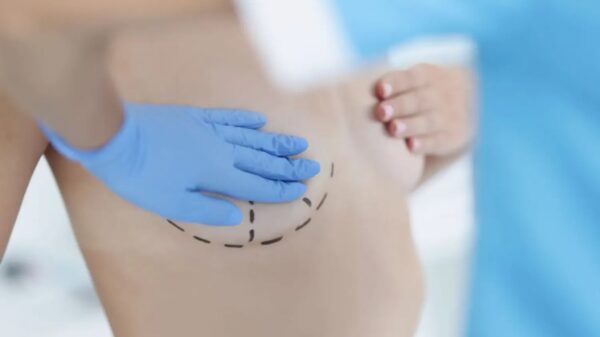
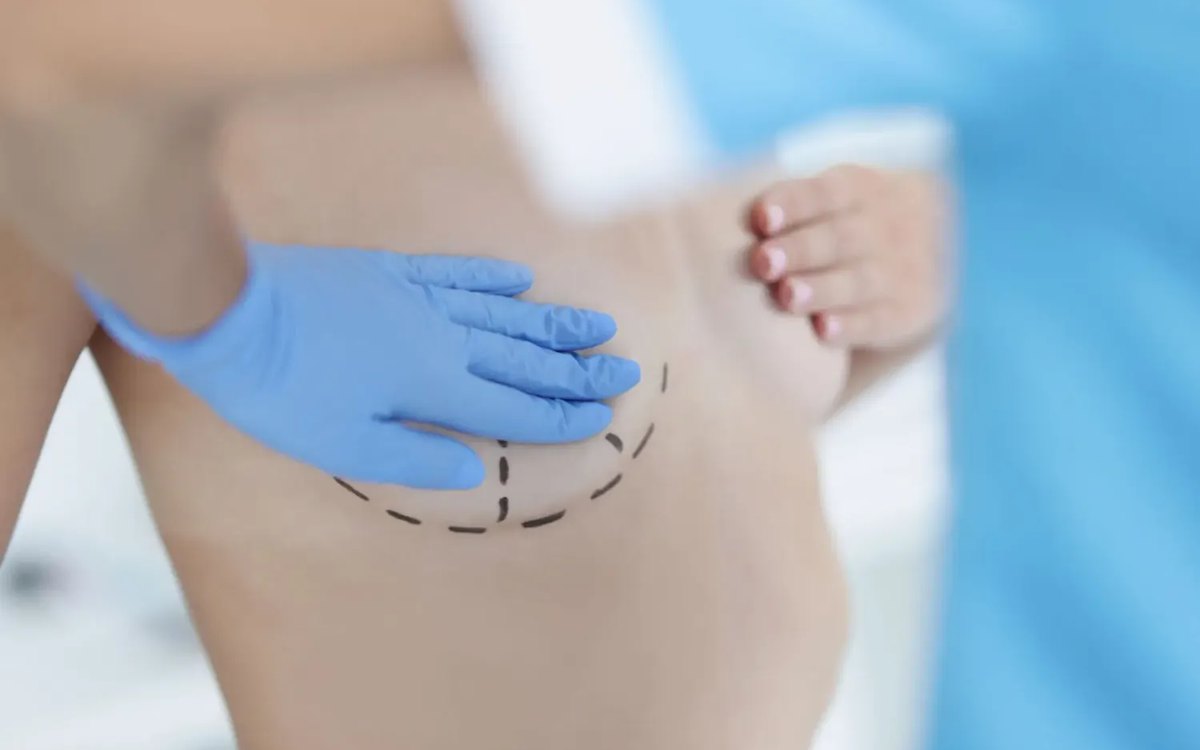
The facts are more modest. In a traditional arm lift, the surgeon makes an incision along the inner arm, from the armpit down toward the elbow. Dr. Lapuerta places incisions where they are less visible to the average eye, and the practice says scars fade over time, but there will be scars at the incision site.
A mini arm lift changes the trade. It uses one small ellipse-shaped incision near the armpit, which leaves a scar visible only when the arm is raised. The surgeon’s exam determines which version fits a given arm.
Scar care affects the outcome. The practice recommends that patients avoid sun exposure during the first year to protect the incisions from extra discoloration, and the team discusses scar care during recovery.
Belief: liposuction could do the same job
Liposuction removes fat. Loose skin is a separate problem. In the practice’s description of brachioplasty, liposuction may be used during the operation to remove excess fat, and then the surgeon trims the loose skin away.
If looseness extends into the deeper tissue structures, the surgeon also uses an internal tightening technique. A drain may be placed, depending on the extent of the surgery, to help control bleeding. The combined result is a smaller circumference of the upper arm, which liposuction on its own does not address when the skin itself has stretched.
The ideal candidate is healthy and at a goal weight. The practice advises patients to avoid smoking for at least two weeks before surgery, because smoking affects circulation and the delivery of blood cells to the wound.
Belief: recovery means a month away from life
The timeline is shorter than many expect, with caveats. Brachioplasty takes place under general anesthesia in Dr. Lapuerta’s on-site accredited surgical facility and takes around 2 hours. It is an outpatient procedure, though a patient who combines it with another body contouring procedure may need to stay overnight in the hospital.
- Patients keep the arm elevated after surgery to help control swelling and promote circulation.
- Swelling and bruising are expected for the first one to two weeks, and a compression garment may be worn near the incision.
- Patients should expect to miss somewhere between three and seven days of work.
- Arm and hand strength will be weak for the first several weeks as the internal tissues heal.
- Light exercise can resume about two weeks after surgery, and more strenuous activity around four to six weeks, with the surgeon’s approval at post-op check-ups.
Some discomfort comes with the procedure, and the practice says medication can manage it. As with any surgery, an arm lift carries risks, which a surgeon should review in person.
Belief: the result lasts no matter what
The practice describes arm lift results as long-lasting, with two caveats. Weight gain and weight loss can affect the result, and the arms will still change with age.
Once the arms have healed, patients can return to exercise and weight training, and the practice encourages strength work as a way to add shape. Holding a stable weight protects the result; large swings can bring loose skin back.
Making the trade with clear eyes
Dr. Lapuerta is triple board certified and has more than 30 years of experience and more than 30,000 surgical and non-surgical procedures. In his view, a surgeon’s experience with a specific procedure, in cases and years, along with board certification, best predicts an outcome patients are happy with.
For an arm lift, that experience shows up in incision planning. Ask any surgeon you consult to show you where your incision would run, with your arm down and raised, and to show before-and-after photos taken from both angles.
This article is for general information only and is not medical advice. Results vary from patient to patient. Consult a board-certified plastic surgeon or your physician about your own situation. Written in partnership with Joseph Lambert, a publicist working with Leo Lapuerta, MD Plastic Surgery.