



























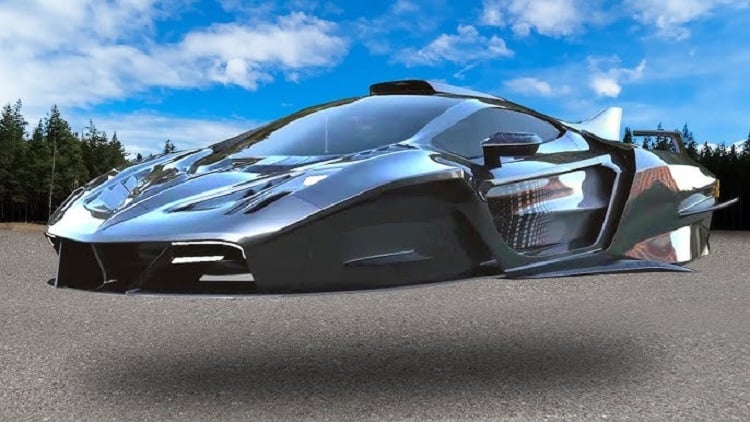
For decades, flying cars were confined to the pages of science fiction novels and futuristic films. From The Jetsons to Blade Runner, the idea of cars soaring above traffic captured human imagination. But today, the concept is closer to reality than ever before. Advances in aerospace engineering, electric propulsion, and autonomous technology are pushing flying cars—also known as urban air mobility (UAM) vehicles—into mainstream discussion.
Once a fantasy, flying cars may soon reshape how people travel, commute, and even view the concept of cities.
What Are Flying Cars?
Flying cars are hybrid vehicles designed to operate both on the ground and in the air. While definitions vary, they generally fall into two categories:
- Roadable Aircraft – Cars that can transform into airplanes or helicopters.
- Vertical Take-Off and Landing (VTOL) Vehicles – Electric or hybrid aircraft designed for short, on-demand flights, often without requiring runways.
These vehicles aim to blend the convenience of road travel with the efficiency of air travel, offering an innovative solution to congestion and long commutes.
Why Flying Cars Are Becoming Possible Now
Several technological advancements are converging to make flying cars feasible:
- Electric Propulsion – Lightweight, powerful batteries enable VTOL aircraft without the noise and pollution of traditional engines.
- Autonomous Systems – Self-piloting technology reduces the need for highly trained pilots.
- Advanced Materials – Carbon fiber composites make vehicles lighter and more fuel-efficient.
- Urban Air Mobility (UAM) Infrastructure – Cities are exploring “skyports” for take-off, landing, and charging.
Together, these innovations are laying the groundwork for a future where flying cars become a practical reality.
Key Players in the Flying Car Race
Several companies are competing to dominate this new frontier:
- Joby Aviation – Backed by Toyota and Uber, focused on electric air taxis.
- AeroMobil – Developing a roadable car-airplane hybrid.
- Terrafugia (owned by Geely) – One of the earliest flying car developers.
- Airbus & Boeing – Exploring air mobility for cities.
- Volocopter – Specializing in electric VTOL for urban transport.
These companies are working not just on vehicles but also the infrastructure to support them.
How Flying Cars Could Transform Cities
Flying cars are often seen as a futuristic luxury, but their real potential lies in transforming urban mobility:
- Reduced Traffic Congestion – Shifting commuters into the air could ease pressure on ground infrastructure.
- Shorter Commutes – A 2-hour car journey could be cut to 15 minutes by air.
- New Business Models – Ride-hailing services like Uber Elevate envision fleets of shared flying taxis.
- Tourism & Emergency Use – Quick medical evacuations, disaster response, and tourism flights could be revolutionized.
This vision of air mobility aligns with smart city initiatives, where technology enhances efficiency and livability.
The Challenges Ahead
Despite excitement, flying cars face several obstacles before mass adoption:
- Safety Regulations – Governments must set strict safety standards for urban aviation.
- Air Traffic Management – Integrating thousands of flying vehicles into already busy skies is complex.
- Noise Pollution – Even electric VTOLs must remain quiet to avoid disturbing urban life.
- Cost Barriers – High prices may restrict access to wealthy individuals at first.
- Infrastructure Needs – Cities need vertiports, charging stations, and maintenance hubs.
Addressing these challenges is essential before flying cars can scale.
Flying Cars and Sustainability
One major factor driving innovation is sustainability. Unlike helicopters, which are noisy and fuel-intensive, most flying car prototypes rely on electric propulsion. This means they could help reduce carbon emissions—if powered by renewable energy sources.
Some experts argue that flying cars may actually be more energy-efficient for medium-range travel than traditional cars, particularly when shared by multiple passengers.
The Role of Public Perception
Technology alone won’t determine the success of flying cars. Public trust plays a vital role. Many people remain skeptical, fearing accidents, costs, or noise. As pioneers roll out pilot projects, public demonstrations, and early air taxi services, companies must prove that flying cars are not only safe but also practical.
That’s why following trusted industry platforms like EV Blogs has become important for keeping track of developments, regulations, and innovations that will shape the reality of air mobility.
Predictions for the Next Two Decades
- 2025–2030: Limited air taxi services in select cities.
- 2030–2035: Wider adoption with government-regulated air corridors.
- 2040 and beyond: Mass adoption of flying cars as technology becomes affordable.
Some cities in Asia and the Middle East are already planning infrastructure for flying vehicles, showing just how close this vision might be.
Impact on Other Industries
Flying cars won’t just impact transportation—they could ripple across multiple sectors:
- Real Estate – Suburban and rural areas may become more attractive if commutes are drastically shortened.
- Tourism – Sky tours could become mainstream attractions.
- Logistics – Small-scale cargo deliveries may shift from drones to larger VTOL vehicles.
- Healthcare – Rapid air mobility could improve emergency response.
This interconnected impact highlights why so many investors are eager to fund flying car startups.
Conclusion
Flying cars are no longer just a futuristic fantasy. They are steadily becoming reality thanks to breakthroughs in electric propulsion, autonomy, and smart infrastructure. While challenges remain in cost, safety, and regulation, the momentum behind this movement is undeniable.
Within the next two decades, urban air mobility could shift from experimental projects to mainstream transportation. By merging the convenience of cars with the efficiency of aviation, flying cars promise to reshape cities, redefine commutes, and even change how humanity thinks about mobility itself.