























For generations, professional men have been told that experience is an asset. Gray hair could suggest authority. A few lines on the face were evidence of years spent building a career. And for the most part, men were given far more latitude than women when it came to visibly aging.
That hasn’t entirely changed. But the workplace around it has.
Careers are lasting longer. Meetings that once happened around a conference table now routinely happen on camera. LinkedIn profiles, corporate websites, webinars, podcasts and social media have made professional life considerably more visual.
The result is an interesting cultural shift: some professional men are paying closer attention to how their appearance fits into the way they present themselves at work.
Call it the “Business Face.”
It isn’t simply about looking younger, nor does it mean that appearance determines professional ability. Instead, Business Face describes something broader: the increasing attention some men are giving to the connection between aging, appearance, confidence and professional image.
And there are signs that several larger trends are converging to make that conversation more relevant.
We Are Working Longer
One of the biggest changes is simply how long Americans remain in the workforce.
U.S. Bureau of Labor Statistics projections show labor-force participation among older Americans continuing to rise within several age groups. Among people ages 65 to 74, participation is projected to increase from 26.9% in 2023 to 30.4% by 2033. Among those 75 and older, it is projected to rise from 8.3% to 10.1%.
The change is particularly notable among men. Current BLS projections put labor-force participation for men ages 65 to 74 at 33% by 2033 and for men 75 and older at 12.5%.
In practical terms, that means more people will be navigating the intersection of aging and professional life.
A 55-year-old executive today could easily anticipate another decade or more of work. He may change companies, launch a business, join boards, consult, pursue a second career or continue climbing within his existing organization.
That longer professional runway may also change how men think about aging.
Dr. Douglas Steinbrech, a plastic surgeon who has specialized extensively in male aesthetics, has spent years observing how men’s attitudes toward appearance are evolving. He is the author of Male Aesthetic Plastic Surgery, a medical reference devoted specifically to male aesthetic surgery, and currently serves as Treasurer/Secretary of The Aesthetic Society.
“Professional men want their exterior to reflect how energetic/current they feel rather than simply looking younger” said Dr. Steinbrech.
That distinction could be central to understanding Business Face.
The Office Now Has a Mirror
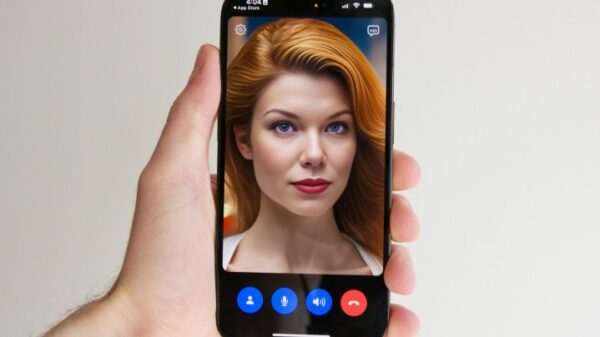
There is another major difference between today’s workplace and the one many senior professionals entered decades ago. We spend considerably more time looking at ourselves. Videoconferencing normalized something that was once relatively unusual: conducting a professional conversation while simultaneously staring at your own face.
Researchers have documented the psychological effects.
A 2021 study published in Aesthetic Surgery Journal surveyed 335 adults about video calling and appearance. More than one-third reported identifying new appearance concerns while using video, and participants who developed those concerns showed greater interest in future beauty treatments and aesthetic procedures.
Among the concerns participants noticed were facial shape or weight, skin and wrinkles, hair, eyes and signs of looking tired or older. The phenomenon became known as the “Zoom effect.”
But even as workers returned to offices, the camera didn’t disappear.
Video meetings remain part of hybrid work. Professionals routinely record webinars, appear in online interviews, update LinkedIn photos and participate in digital networking. The professional mirror is no longer something we occasionally glance into before leaving home. For many people, it’s sitting on their computer screen.
“As video meetings have become commonplace, men are paying more attention to aspects of their appearance on camera that they may never have noticed before.” Dr. Steinbrech noted.
Appearance Has Always Influenced First Impressions
Talking about appearance and careers can become uncomfortable quickly, and perhaps it should.
We want workplaces to reward talent, judgment, creativity, leadership and experience rather than someone’s face. But, decades of research suggest humans aren’t particularly good at ignoring appearance when forming first impressions.
A meta-analysis of experimental research on physical attractiveness and employment-related outcomes found an overall attractiveness bias in job-related judgments. Importantly, the researchers found the effect applied to both men and women, and that professionals making judgments were not immune from it.
A newly published meta-analysis of first impressions at work similarly reviews evidence that appearance cues can influence perceptions of characteristics including capability, leadership and warmth.
None of this means that someone who looks younger or more conventionally attractive is more competent. It means people may sometimes perceive them differently.
And that distinction is essential.
The Complicated Side of “Business Face”
There is an obvious counterargument to the Business Face phenomenon: Why should anyone feel pressure to look younger to remain professionally relevant?
Age discrimination is real. Research using employment field experiments has documented discrimination against older applicants in hiring.
If older workers begin feeling that maintaining a youthful appearance is another requirement for remaining competitive, Business Face stops being purely a story about personal choice and becomes a story about workplace culture.
There is also a psychological consideration.
The same Zoom-effect research that connected video calling with increased interest in aesthetic treatments found associations between self-focused attention on video and greater body-image concerns.
In other words, increased visibility can make people more conscious of their appearance, but more consciousness isn’t necessarily healthier consciousness.
That makes the distinction between wanting to change something and feeling professionally obligated to change something particularly important.
Men Are Entering a Conversation Women Have Had for Decades
There is another cultural shift behind Business Face: men themselves are becoming more comfortable with aesthetic treatments.
American Society of Plastic Surgeons statistics for 2023 showed men represented about 6% of cosmetic procedures overall. But face and neck procedures among men increased 9% that year, while skin treatments including laser hair removal, IPL and other treatments increased 15%.
The numbers remain substantially lower than they are for women, but the direction is noteworthy. Men are increasingly participating in a broader self-care economy that includes fitness, skincare, hair restoration, nutrition, grooming and aesthetic medicine.
According to Dr. Steinbrech “In the past, male patients often went to great lengths to keep aesthetic treatments private. Today, attitudes have shifted, and these treatments have become increasingly normalized and openly discussed.”
For physicians who work extensively with men, the challenge can also be different. A man in his 50s or 60s may not necessarily want to erase every indication of age. He may value the maturity his appearance conveys while wanting to address particular features that make him feel tired or older than he perceives himself to be.
That is a much more nuanced conversation than simply asking, “How can I look younger?”
A New Definition of Professional Presentation
None of this suggests that cosmetic treatment should become another item on the career-development checklist.
Experience isn’t a wrinkle. Leadership can’t be injected. And professional relevance certainly shouldn’t have an expiration date determined by someone’s appearance. But, professional presentation has always existed.
People choose suits for interviews, update hairstyles before important meetings, whiten teeth, exercise, buy new glasses and spend considerable thought on the image they present to colleagues and clients.
What’s changing may simply be the boundaries of that conversation.
For a growing number of men, appearance is becoming another part of how they think about aging, both personally and professionally.
That’s what makes Business Face interesting. It isn’t really a story about plastic surgery.
It’s a story about what happens when longer careers, digital visibility, changing attitudes toward male self-care and our very human tendency to judge appearances all collide.
The question isn’t whether men should try to look younger at work. The more interesting question may be why more men are thinking about how they want to look as they grow older, and what that tells us about the modern workplace.