





















A Healthcare System Under Pressure
Across the United States, healthcare providers are facing unprecedented levels of burnout. Administrative demands, insurance driven protocols and shortened patient visits have reshaped how medicine is practiced. For many clinicians, the profession they entered to help people increasingly feels like navigating a complex billing system.
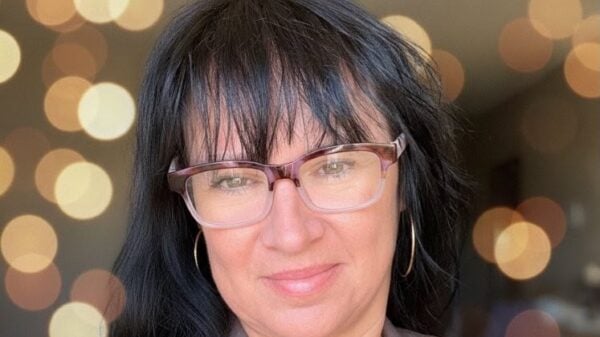
Courtney Contreras experienced that reality firsthand. After years working in surgical and emergency medicine, she saw how insurance driven processes often forced rushed decisions and limited the time providers could spend with patients.
Instead of adapting to a system she believed was broken, Contreras chose a different path. She stepped away from a six figure medical career and began building a clinic designed to restore the connection between patient and provider.
A Different Model For Primary Care
Contreras launched a Direct Primary Care clinic in rural Arizona, using a membership based model that removes traditional insurance billing from routine primary care services. Patients pay a predictable monthly fee that covers visits and ongoing communication with their provider.
The structure allows clinicians to spend more time with patients while maintaining transparent pricing. For communities that often struggle with access to healthcare, particularly rural areas, the model provides an alternative to long wait times and unpredictable costs.
The clinic’s results quickly demonstrated its potential. Within two years, revenue grew from fifty thousand dollars in the first year to five hundred thousand dollars in year two. The success showed that patient centered care could also be financially sustainable.
Scaling A Solution For Providers Nationwide
What started as a local clinic soon evolved into a broader initiative. Recognizing that many clinicians were searching for alternatives to the traditional healthcare structure, Contreras launched The DPC Launch.
The platform offers online education and mentorship designed to help physicians, nurse practitioners and physician associates build their own Direct Primary Care practices. Through structured training and community support, providers across the country are learning how to implement the model in their own communities.
Orthopedic physician Dr. Jacob Oldham has been one of the medical professionals involved in supporting and validating the approach. At the center of it all, however, are the patients who benefit from longer visits, transparent pricing and consistent access to care.
As more providers adopt the model, the concept of Direct Primary Care is gaining attention as a potential solution to both physician burnout and the national shortage of primary care providers.
Reimagining The Patient Provider Relationship
Contreras believes the healthcare system has lost sight of its most important participants.
“Healthcare only has two essential players, the patient and the provider,” she says. “Any system that makes them secondary to billing codes and bureaucracy isn’t just inefficient, it is broken.”
By removing many of the administrative barriers created by insurance based systems, Direct Primary Care offers a framework that prioritizes both sides of the exam table.
For clinicians seeking autonomy and for patients seeking better access, the model is beginning to reshape how primary care may look in the future.
Learn More
DPC Launch
https://thedpclaunch.com
Additional resources
https://dpc411.com
Instagram: @Pa_Courtney.C
TikTok: PA_Courtney