























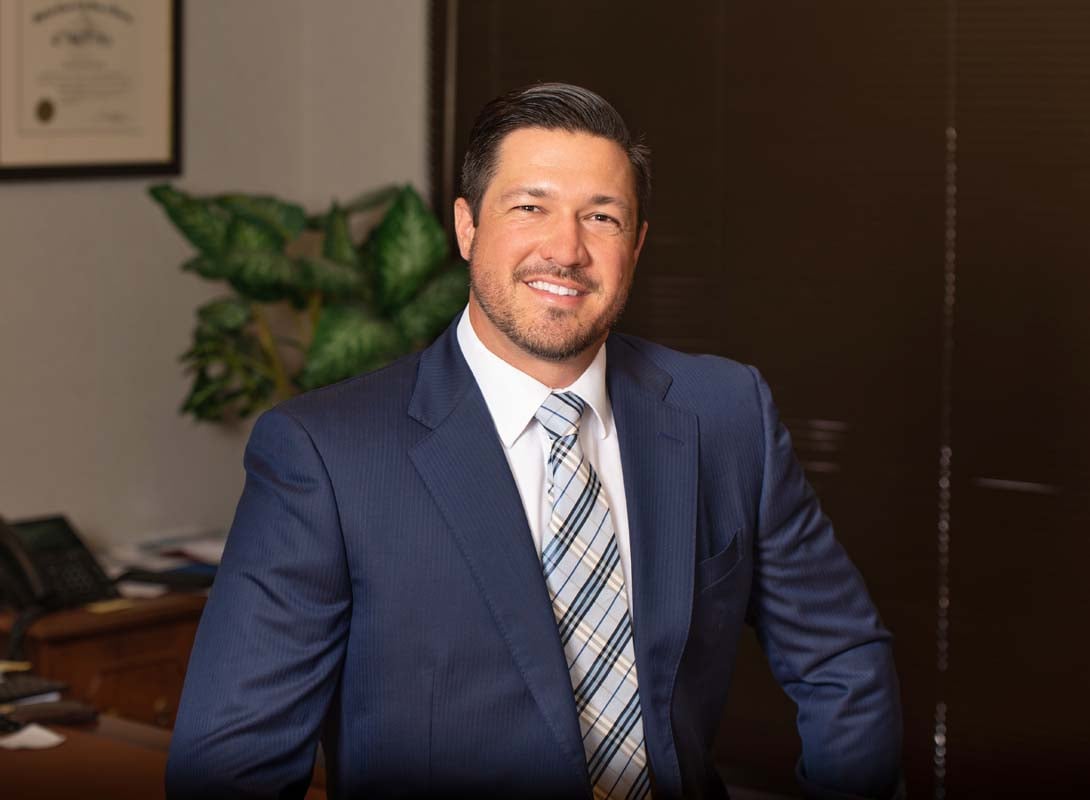
In the high-stakes world of insurance claims, few stories begin with a serendipitous meeting on a storm-damaged rooftop. For attorney and entrepreneur Daniel Tighe, that chance encounter more than a decade ago became the spark for a career — and a mission — that has since helped thousands of homeowners, business owners, and community associations recover what they were rightfully owed.
Tighe’s journey began when he met a homeowner whose insurance carrier refused to honor her policy after a storm ravaged her roof. “This isn’t right,” he recalls thinking. Acting swiftly, he resolved her claim — and realized she was far from alone. Across Florida, and indeed the nation, policyholders faced similar battles.
“I quickly understood I could do a lot of good by helping people navigate these situations,” Tighe says. Over time, he became the face of his firm, championing not just clients, but also empowering restoration professionals, roofing contractors, and community association managers with knowledge and resources to protect their interests.
Overcoming Early Challenges
Like many entrepreneurs, Tighe’s early days were marked by resource constraints and steep learning curves. “I went from being one lawyer trying to solve problems to scaling a very large organization,” he says. The legal battles were often adversarial — insurance companies hired aggressive counsel to push back on claims.
The key to overcoming these challenges? Purpose. “We keep our goal front of mind: we’re here to serve and to help,” he explains. By building robust processes, his firm developed scalable solutions to recurring issues, turning hard-earned lessons into a competitive advantage.
The Hurricanes That Changed Everything
Tighe spent years quietly refining his methods, largely handling everyday storm claims in Florida during a rare lull in major hurricane activity. That changed in 2016 with Hurricane Matthew, followed by Hurricane Irma in 2017.
“Suddenly, there was incredible demand for our services,” he recalls. “We had the processes, the network, and the experience ready to go.” The back-to-back disasters became a proving ground for his firm, allowing them to assist countless property owners and recover significant settlements.
Advice for Aspiring Entrepreneurs
While Tighe’s expertise is in law, his entrepreneurial principles are universal. “Be yourself. Work with good people. Work hard. Do good,” he advises. He warns against chasing money or status without regard for values.
“Follow your north star, and make sure you’re having fun along the way. Our mantra is: do good, work hard, and have fun.”
Balancing High-Stakes Work with Wellbeing
In a high-stress, adversarial profession, Tighe has learned that peak performance depends on balance. He surrounds himself with optimistic, like-minded people and prioritizes health and recovery.
“You can’t do great work if you’re burned out,” he says. Quoting Abraham Lincoln, he adds: “If I had eight hours to chop down a tree, I’d spend six sharpening my axe.” For Tighe, that means being intentional with time and energy.
A Strategic Pivot to Larger Losses
In recent years, Tighe’s firm has shifted its focus to commercial and large-loss roofing and restoration projects, expanding well beyond Florida. Licensed in New York and partnered with local counsel nationwide, they’ve become a go-to resource for sophisticated clients with complex, multi-million-dollar claims.
“Our approach is unique,” he says. “We’re known for top-tier communication, processes, and outcomes. Restoration professionals recommend us because it reflects on their own reputation.”
For those seeking more than legal representation, Tighe’s resource hub at tighepa.com offers practical insights into insurance claims, legal processes, and restoration best practices — a reflection of his belief that informed clients and partners are empowered ones.
From that first storm-damaged rooftop to the national stage, Daniel Tighe’s story is one of purpose, preparation, and pivoting at the right time — proof that with the right values and vision, even the fiercest headwinds can become tailwinds.